Managing rental property can be rewarding, but it also comes with many responsibilities. Whether you own one rental apartment or several residential units, keeping track of tenants, rent payments, maintenance requests, and financial records can quickly become overwhelming.
Many landlords start by using notebooks, spreadsheets, phone calls, and text messages to manage their properties. While this may work when you have one or two units, it becomes increasingly difficult as your portfolio grows.
This is where property management software comes in.
Today, more landlords are turning to digital solutions to simplify property management, improve communication with tenants, and increase efficiency. Property management software helps automate many of the daily tasks that consume time and create stress.
In this guide, we will explain what property management software is, how it works, its key features, and why every modern landlord should consider using it.
What Is Property Management Software?
Property management software is a digital platform designed to help landlords, property managers, and real estate companies manage rental properties more efficiently.
Instead of handling everything manually, the software centralizes important tasks into one system.
These tasks typically include:
-
Rent collection
-
Tenant management
-
Lease tracking
-
Maintenance requests
-
Vacancy management
-
Financial reporting
-
Communication with tenants
-
Property performance monitoring
Think of it as a digital office that helps landlords stay organized and in control of their rental business.
Whether you own a single rental house or hundreds of apartments, property management software helps streamline operations and reduce administrative work.
Why Traditional Property Management Methods Are Becoming Outdated
For many years, landlords managed properties using paper records, notebooks, and spreadsheets.
While these methods can work, they often create several challenges.
Lost Information
Important records can easily be misplaced.
Examples include:
-
Rent payment records
-
Lease agreements
-
Tenant contact details
-
Maintenance histories
When information is scattered across different documents, finding what you need becomes difficult.
Missed Rent Payments
Without automated tracking, landlords may struggle to monitor who has paid rent and who has not.
This can lead to:
-
Delayed follow-ups
-
Cash flow problems
-
Tenant disputes
Poor Communication
Many landlords rely on phone calls and text messages.
As the number of tenants increases, managing communication becomes harder and less organized.
Time Consumption
Manual processes require significant time and effort.
Tasks that could take minutes with software may take hours when done manually.
How Property Management Software Works
Property management software creates a centralized system where landlords can manage all aspects of their rental business.
Most platforms allow landlords to:
-
Add property details
-
Register tenants
-
Record lease agreements
-
Track payments
-
Monitor vacancies
-
Receive maintenance requests
-
Generate financial reports
Many modern systems are cloud-based, meaning landlords can access information from a computer, tablet, or smartphone at any time.
This flexibility allows landlords to manage properties even when they are away from the property itself.
Key Features of Property Management Software
Rent Collection and Payment Tracking
One of the most important features is rent management.
The software can:
-
Record rent payments
-
Track outstanding balances
-
Generate payment reminders
-
Create payment histories
-
Produce rent reports
Instead of manually checking every tenant's payment status, landlords can view everything in one dashboard.
This helps improve cash flow management and reduces rent collection challenges.
Tenant Management
Managing tenant information becomes much easier with software.
Landlords can store:
-
Tenant names
-
Contact information
-
Lease agreements
-
Move-in dates
-
Emergency contacts
-
Payment histories
Having this information readily available improves organization and reduces paperwork.
Lease Management
Tracking lease agreements manually can be difficult, especially when managing multiple units.
Property management software helps landlords:
-
Monitor lease start dates
-
Track lease expiration dates
-
Store digital lease documents
-
Receive renewal reminders
This reduces the risk of missing important deadlines.
Maintenance Request Management
Maintenance is one of the most common challenges landlords face.
Tenants regularly report issues such as:
-
Plumbing problems
-
Electrical faults
-
Water leaks
-
Broken fixtures
Property management software allows tenants to submit maintenance requests directly through the system.
Landlords can then:
-
Assign tasks
-
Track progress
-
Monitor completion status
-
Maintain maintenance records
This creates better accountability and faster response times.
Financial Reporting
Successful property management requires accurate financial records.
Property management software can generate reports for:
-
Rental income
-
Expenses
-
Maintenance costs
-
Occupancy rates
-
Cash flow performance
These reports help landlords make informed business decisions.
They also simplify tax preparation and financial planning.
Vacancy Management
Vacant units directly affect rental income.
Property management software helps landlords monitor:
-
Vacant units
-
Upcoming vacancies
-
Occupancy rates
-
Leasing activity
Some systems even allow landlords to advertise available units online.
This can shorten vacancy periods and improve occupancy levels.
Communication Tools
Communication plays a major role in landlord-tenant relationships.
Modern software often includes messaging features that allow landlords to:
-
Send notices
-
Share updates
-
Respond to tenant inquiries
-
Communicate maintenance schedules
This creates a more professional and organized communication process.
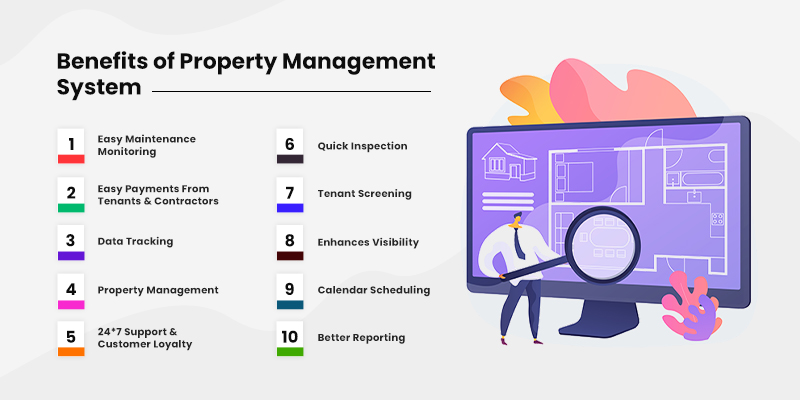
Benefits of Property Management Software for Landlords
Saves Time
Perhaps the biggest benefit is time savings.
Many repetitive tasks become automated, including:
-
Payment tracking
-
Reminder notifications
-
Report generation
-
Lease monitoring
This allows landlords to focus on growing their property business instead of handling administrative work.
Improves Organization
Everything is stored in one place.
Instead of searching through files, notebooks, emails, and spreadsheets, landlords can access information instantly.
This improves efficiency and reduces errors.
Reduces Human Error
Manual record-keeping often leads to mistakes.
Examples include:
-
Incorrect payment records
-
Missed lease renewals
-
Forgotten maintenance requests
Automation helps reduce these risks significantly.
Enhances Tenant Satisfaction
Tenants appreciate:
-
Faster responses
-
Clear communication
-
Easy payment options
-
Efficient maintenance handling
Happy tenants are more likely to renew leases and take care of rental properties.
Better Financial Control
Property management software gives landlords a clearer picture of:
-
Revenue
-
Expenses
-
Profitability
-
Property performance
This helps improve long-term financial planning.
Supports Business Growth
Many landlords eventually expand their portfolios.
Managing ten units is very different from managing one hundred.
Property management software creates systems that can grow alongside the business.
Instead of increasing administrative workload, landlords can scale operations more effectively.
Who Should Use Property Management Software?
Many people assume property management software is only for large companies.
That is not true.
It can benefit:
Individual Landlords
Even landlords with one or two units can benefit from better organization and payment tracking.
Property Managers
Property managers handling multiple properties often rely heavily on software to maintain efficiency.
Real Estate Companies
Larger organizations use property management systems to manage hundreds or thousands of units.
Housing Associations
Residential communities and housing associations can also use these systems to improve operations.
Common Challenges Without Property Management Software
Landlords who avoid technology often face recurring problems such as:
-
Lost records
-
Delayed rent collection
-
Poor tenant communication
-
Inaccurate financial reporting
-
Maintenance tracking difficulties
Over time, these challenges can affect profitability and tenant satisfaction.
The Future of Property Management
The property industry is becoming increasingly digital.
Tenants now expect:
-
Online communication
-
Digital rent payments
-
Faster service delivery
-
Greater transparency
Landlords who embrace technology are often better positioned to meet these expectations.
As competition increases in the rental market, efficient property management becomes a major advantage.
Choosing the Right Property Management Software
When evaluating software, landlords should consider:
-
Ease of use
-
Mobile accessibility
-
Rent collection features
-
Maintenance management tools
-
Reporting capabilities
-
Customer support
-
Data security
The best solution is one that matches the size and needs of your property portfolio.
Final Thoughts
Property management software is no longer a luxury reserved for large real estate companies. It has become an essential tool for landlords who want to save time, improve organization, and provide better service to tenants.
From rent collection and lease management to maintenance tracking and financial reporting, the right software can transform how rental properties are managed.
As the property market continues to evolve, landlords who adopt digital tools will find it easier to stay competitive, increase efficiency, and grow their rental businesses.
Whether you own one apartment or an entire portfolio of properties, property management software can help you work smarter, reduce stress, and build a more successful rental business.