The way landlords collect rent in Kenya is changing. A few years ago, many tenants paid rent in cash or made direct deposits at the bank. Landlords often had to spend hours confirming payments, updating records, and following up with tenants who had not paid.
Today, technology has made the process much easier.
With the growth of mobile money, online banking, and property management software, landlords can now collect rent digitally without meeting tenants in person. This has made rent collection faster, safer, and more organized.
Whether you own a single rental house or manage multiple apartment units, online rent collection can save time, improve cash flow, and reduce administrative work.
In this guide, we explain how to collect rent online in Kenya, the available payment options, and best practices for landlords who want to modernize their rental business.
Why More Kenyan Landlords Are Collecting Rent Online
Kenya is one of the world's leading countries in digital payments. Millions of people use mobile money every day for shopping, transport, business transactions, and bill payments.
Because tenants are already comfortable making digital payments, many landlords have shifted from traditional rent collection methods to online systems.
The benefits are clear.
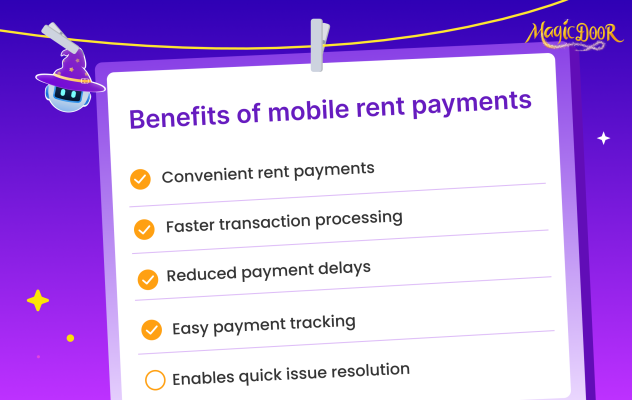
Online rent collection offers:
-
Faster payments
-
Better payment tracking
-
Reduced cash handling
-
Improved record keeping
-
Greater convenience for tenants
-
Easier financial management
For landlords managing several units, digital rent collection has become almost essential.
Challenges of Traditional Rent Collection
Before discussing online solutions, it is important to understand the challenges many landlords face when collecting rent manually.
Cash Payments
Cash payments create several problems:
-
Risk of theft
-
Lost receipts
-
Difficulty tracking payments
-
Time spent meeting tenants
Handling large amounts of cash can also create security concerns.
Bank Deposits
While bank deposits are safer than cash, they still require manual verification.
Landlords often need to:
-
Check account statements
-
Match deposits to tenants
-
Confirm payment details
This process becomes difficult when managing many units.
Poor Record Keeping
Manual systems often lead to:
-
Missing payment records
-
Tenant disputes
-
Inaccurate financial reports
Without proper systems, landlords may struggle to track who has paid rent and who still owes money.
The Most Popular Ways to Collect Rent Online in Kenya
Several digital payment methods are available to landlords today.
M-Pesa Paybill
M-Pesa Paybill is one of the most common rent collection methods in Kenya.
Tenants can pay rent directly through their phones using a designated Paybill number.
Why Landlords Like Paybill
-
Convenient for tenants
-
Automatic transaction records
-
Faster payment confirmation
-
Widely trusted across Kenya
Most tenants already use M-Pesa daily, making adoption easy.
M-Pesa Till Number
Some landlords also use M-Pesa Till Numbers.
This option is common among small landlords and property owners with fewer units.
Benefits include:
-
Easy setup
-
Fast transactions
-
Reduced cash handling
However, larger property managers often prefer Paybill because it provides better payment tracking options.
Bank Transfers
Many tenants prefer paying rent through bank transfers.
This method works well for:
-
Corporate tenants
-
Professionals
-
High-value rental properties
Benefits include:
-
Secure transactions
-
Direct deposits
-
Detailed banking records
The challenge is that landlords may still need to manually reconcile payments unless they use integrated software.
Mobile Banking Apps
Most Kenyan banks now offer mobile banking applications.
Tenants can transfer rent directly from their bank accounts without visiting a branch.
Benefits include:
-
Convenience
-
Real-time transactions
-
Improved security
As digital banking adoption continues to grow, mobile banking is becoming an increasingly popular rent payment method.
Property Management Software
One of the most efficient ways to collect rent online is through property management software.
These platforms often combine:
-
Rent collection
-
Tenant management
-
Payment tracking
-
Financial reporting
Instead of using multiple systems, landlords can manage everything from one dashboard.
Many modern solutions integrate directly with M-Pesa and other payment channels.
How Property Management Software Simplifies Rent Collection
Property management software automates much of the rent collection process.
Automatic Payment Tracking
The system records payments automatically.
Landlords can instantly see:
-
Who has paid
-
Outstanding balances
-
Payment history
This eliminates the need for manual record keeping.
Rent Reminders
One common reason for late rent payments is simple forgetfulness.
Software can send automated reminders before rent due dates.
These reminders encourage timely payments and reduce follow-up work.
Digital Receipts
Every payment generates a digital record.
This helps:
-
Landlords maintain accurate records
-
Tenants verify payments
-
Reduce payment disputes
Financial Reports
The system can generate reports showing:
-
Monthly income
-
Outstanding rent
-
Occupancy performance
-
Cash flow trends
This gives landlords better control over their finances.
Benefits of Collecting Rent Online
Faster Payments
Digital payments are processed quickly.
Tenants can pay from:
-
Home
-
Work
-
While traveling
This convenience often improves payment compliance.
Better Record Keeping
Every transaction creates a digital trail.
This improves:
-
Accuracy
-
Transparency
-
Financial reporting
Reduced Administrative Work
Manual rent collection requires significant time.
Online systems automate:
-
Payment tracking
-
Receipts
-
Reminders
-
Reporting
Landlords can focus on growing their property business instead of managing paperwork.
Improved Tenant Experience
Tenants appreciate convenience.
Online payment options eliminate the need for:
-
Bank visits
-
Cash handling
-
Physical meetings
A better tenant experience often leads to stronger landlord-tenant relationships.
Steps to Set Up Online Rent Collection
Step 1: Choose Your Payment Method
Decide whether you want to use:
-
M-Pesa Paybill
-
M-Pesa Till Number
-
Bank transfer
-
Property management software
Many landlords combine multiple options to accommodate different tenant preferences.
Step 2: Communicate With Tenants
Inform tenants about:
-
Payment procedures
-
Due dates
-
Account details
-
Reference requirements
Clear instructions reduce confusion.
Step 3: Create a Tracking System
Even with digital payments, tracking is important.
You need a system that records:
-
Tenant name
-
Unit number
-
Payment amount
-
Payment date
Property management software simplifies this process significantly.
Step 4: Automate Where Possible
Automation helps reduce errors and save time.
Use systems that can:
-
Send reminders
-
Generate receipts
-
Track balances
-
Produce reports
The more tasks you automate, the more efficient your operation becomes.
Common Mistakes to Avoid
Accepting Payments Without References
Always require tenants to include:
-
Unit number
-
Tenant name
-
Payment reference
This makes reconciliation easier.
Failing to Confirm Payments
Ensure payments are properly recorded and matched to the correct tenant.
Not Maintaining Records
Digital payments are helpful, but proper records remain essential.
Store transaction histories securely.
Delayed Follow-Up on Arrears
Monitor unpaid balances regularly and follow up quickly.
Small arrears can become major collection problems if ignored.
Security Tips for Online Rent Collection
Digital payments are generally safe, but landlords should still take precautions.
Best practices include:
-
Use secure payment channels
-
Protect login credentials
-
Verify account information
-
Monitor transactions regularly
-
Keep backup records
Good security practices protect both landlords and tenants.
The Future of Rent Collection in Kenya
Kenya's property sector is becoming increasingly digital.
More landlords are adopting:
-
Mobile payments
-
Automated reminders
-
Digital receipts
-
Property management software
Tenants also expect greater convenience and transparency.
As technology continues to evolve, online rent collection will likely become the standard rather than the exception.
Landlords who embrace digital systems today will be better positioned for the future.
Why Online Rent Collection Is Important for Growing Property Portfolios
Managing one rental unit is relatively simple.
Managing ten, twenty, or fifty units is very different.
As portfolios grow, manual rent collection becomes difficult to sustain.
Online systems provide:
-
Scalability
-
Better organization
-
Improved cash flow management
-
Enhanced reporting
For landlords planning to expand, digital rent collection is a valuable investment.
Final Thoughts
Collecting rent online in Kenya is no longer just a convenience. It is becoming an essential part of modern property management.
Whether you use M-Pesa Paybill, bank transfers, mobile banking, or property management software, digital rent collection helps improve efficiency, reduce administrative work, and create a better experience for both landlords and tenants.
By adopting online payment systems, landlords can spend less time chasing payments and more time focusing on growing their rental businesses. In today's fast-moving property market, efficient rent collection is one of the most important tools for long-term success.