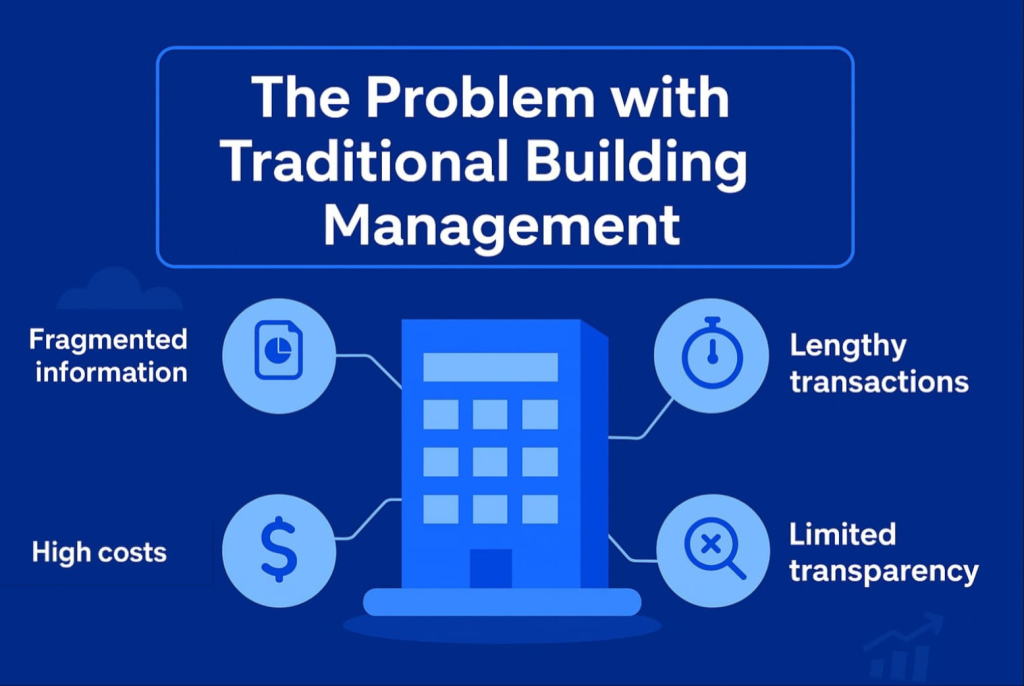
Property management in Kenya is changing quickly. For many years, landlords and property managers relied on traditional methods such as paper records, cash rent collection, phone calls, and manual bookkeeping. These methods worked when managing a small number of tenants, but they often become difficult as properties grow.
Today, digital property management is becoming more common. It uses property management software, mobile payments, and online systems to manage tenants, rent, maintenance, and finances.
This shift has created a major comparison: digital property management vs traditional property management.
In this article, we explore both approaches, their advantages, disadvantages, and which one works best for modern landlords in Kenya.
What Is Traditional Property Management?
Traditional property management refers to manual ways of managing rental properties without digital tools.
It includes:
-
Paper records for tenants
-
Cash rent collection
-
Bank deposit tracking manually
-
Phone calls and SMS communication
-
Physical rent receipts
-
Manual maintenance tracking
For many years, this was the standard method used by landlords across Kenya.
Even today, some landlords still prefer this approach because it feels simple and familiar.
However, as rental portfolios grow, traditional methods often become harder to manage.
What Is Digital Property Management?
Digital property management uses technology to manage rental properties.
It includes tools such as:
-
Property management software
-
Mobile money payments like M-Pesa
-
Online rent tracking systems
-
Automated reminders
-
Digital lease agreements
-
Cloud-based tenant records
Instead of relying on physical documents and manual tracking, everything is stored and managed online.
This allows landlords to access their property information anytime and anywhere.
Key Differences Between Digital and Traditional Property Management
Understanding the differences helps landlords choose the right system.
1. Rent Collection
Traditional property management:
-
Rent is collected in cash or bank deposits
-
Landlords manually confirm payments
-
Receipts are written or printed
Digital property management:
-
Rent is paid via M-Pesa, bank transfer, or online systems
-
Payments are recorded automatically
-
Receipts are generated instantly
Digital systems reduce errors and make tracking easier.
2. Record Keeping
Traditional system:
-
Paper files or notebooks
-
Risk of losing records
-
Difficult to update or organize
Digital system:
-
Cloud-based storage
-
Easy search and access
-
Secure data backup
Digital systems provide better organization and security.
3. Communication with Tenants
Traditional system:
-
Phone calls and SMS
-
No centralized communication history
-
Messages can be forgotten or lost
Digital system:
-
Messaging through software platforms
-
Automated rent reminders
-
Communication history is stored
Digital communication is more structured and reliable.
4. Maintenance Management
Traditional system:
-
Tenants report issues via phone calls
-
No tracking system for repairs
-
Delays in follow-up
Digital system:
-
Tenants submit maintenance requests online
-
Tasks are tracked and assigned
-
Status updates are recorded
This improves response time and accountability.
5. Financial Reporting
Traditional system:
-
Manual calculation of income and expenses
-
Time-consuming bookkeeping
-
Higher chance of errors
Digital system:
-
Automated financial reports
-
Real-time income tracking
-
Clear expense breakdowns
Digital reporting improves financial accuracy.
6. Efficiency and Time Management
Traditional system:
-
Requires daily manual work
-
Time-consuming rent tracking
-
Repetitive administrative tasks
Digital system:
-
Automation reduces workload
-
Faster access to information
-
Less manual intervention needed
Digital systems save significant time for landlords.
7. Scalability
Traditional system:
-
Difficult to manage many properties
-
Workload increases with each new tenant
Digital system:
-
Easy to manage multiple properties
-
Scales without increasing workload significantly
Digital property management is better for growth.
Advantages of Traditional Property Management
Even though digital systems are growing, traditional methods still have some advantages.
1. Simple to Use
Some landlords prefer traditional systems because they do not require technical skills.
2. Low Initial Cost
There is no need to buy software or pay subscription fees.
3. Works Without Internet
Traditional systems can operate without digital tools or connectivity.
4. Personal Interaction
Some landlords prefer direct communication with tenants.
However, these benefits are often outweighed by inefficiencies in larger property portfolios.
Disadvantages of Traditional Property Management
Traditional systems have several limitations.
1. Poor Record Keeping
Paper records can be lost, damaged, or disorganized.
2. Time Consuming
Manual tracking takes a lot of time and effort.
3. High Risk of Errors
Human mistakes are common in manual systems.
4. Difficult Rent Tracking
It is hard to track payments across multiple tenants.
5. Limited Growth
Managing more properties becomes difficult without systems.
Advantages of Digital Property Management
Digital systems offer several strong benefits for modern landlords.
1. Automation
Many tasks are automated, including:
-
Rent tracking
-
Payment reminders
-
Receipt generation
-
Reporting
This reduces workload significantly.
2. Better Organization
All property data is stored in one place.
3. Improved Cash Flow
Automated reminders and tracking reduce rent arrears.
4. Easy Access
Landlords can access information anytime using a phone or computer.
5. Transparency
Both landlords and tenants can clearly see payment records.
6. Faster Maintenance Response
Issues are reported and tracked digitally.
7. Better Decision Making
Reports help landlords understand property performance.
Disadvantages of Digital Property Management
Digital systems also have some challenges.
1. Requires Internet Access
Without internet, systems cannot function properly.
2. Learning Curve
Some landlords may need time to learn how to use the software.
3. Subscription Costs
Some platforms charge monthly or annual fees.
4. Dependence on Technology
Technical issues may temporarily affect access.
Despite these challenges, the benefits often outweigh the disadvantages.
Which One Is Better for Kenyan Landlords?
The answer depends on the size and needs of the landlord.
Traditional property management is better for:
-
Small landlords with 1 to 2 units
-
Those who prefer manual control
-
Areas with limited internet access
Digital property management is better for:
-
Landlords with multiple properties
-
Property managers handling many tenants
-
Investors who want to scale
-
Landlords who want better organization and efficiency
In most modern cases, digital property management is becoming the preferred choice.
Why Digital Property Management Is Growing in Kenya
Several factors are driving this shift:
-
High mobile phone usage
-
Growth of M-Pesa payments
-
Increasing rental property investments
-
Demand for better tenant experience
-
Need for efficient management systems
Kenya is one of the most digitally advanced countries in Africa, making adoption of property management software faster.
The Role of Property Management Software
Property management software is the backbone of digital property management.
It helps landlords:
-
Track rent payments
-
Manage tenants
-
Handle maintenance requests
-
Generate financial reports
-
Store lease agreements
It brings all property operations into one system.
The Future of Property Management in Kenya
The future of rental property management is clearly digital.
More landlords are expected to:
-
Use online rent collection systems
-
Automate tenant communication
-
Rely on data-driven decision making
-
Adopt cloud-based management tools
Traditional methods will likely continue to decline as technology becomes more accessible.
Final Thoughts
The comparison between digital property management and traditional property management shows a clear shift in the rental industry.
Traditional systems are simple and familiar, but they are limited in efficiency, scalability, and accuracy.
Digital property management offers automation, better organization, improved tenant communication, and stronger financial control.
For Kenyan landlords, especially those managing growing property portfolios, digital property management is becoming the smarter and more sustainable choice.
While traditional methods may still work for small-scale landlords, the future clearly belongs to digital systems that make property management faster, easier, and more efficient.